Find Your Calm Focus Amid the Office Rush
How Sound Shapes Attention
Neuroscience Behind Steady Tones
Continuous textures like brown or pink noise can help stabilize the locus coeruleus–norepinephrine system, flattening surprise while keeping alertness gently elevated. This reduces the jolt from sudden chatter or clattering keyboards. You might notice fewer intrusive thoughts, smoother reading, and steadier planning. We will discuss why steadiness matters, when novelty helps, and how to decide between spectral colors without chasing fads or ignoring your own lived sensory experience.
Masking Distractions Without Dulling Creativity
Effective masking softens irregular spikes—laughter across the aisle, doors slamming, delivery carts—without smothering your imagination. Aim for textures that hide unpredictability while still leaving room for subtle harmonic interest. Try low-frequency emphasis at gentle volumes for spreadsheets, with slightly more movement for drafting. Notice when creative play flattens; then back off the density. The goal is not silence, but a breathable buffer that respects attention and sparks idea formation.
Volume, Tempo, and Your Cognitive Load
Think dose, not drama. Go quieter than you think, especially for analytical tasks. For fast coordination work, a modest tempo can help momentum, while too much rhythm steals working memory. Use a quick self-check: can you subvocalize a sentence while listening? If not, it is probably too rich. Consider ramping volume during setup rituals, then dipping once momentum starts. Small nudges often outperform sweeping changes during long, demanding days.
Curating Your Daily Audio Palette
Morning Clarity Without Overstimulation
Midday Momentum for Deep Work
Late-Afternoon Decompression and Reset
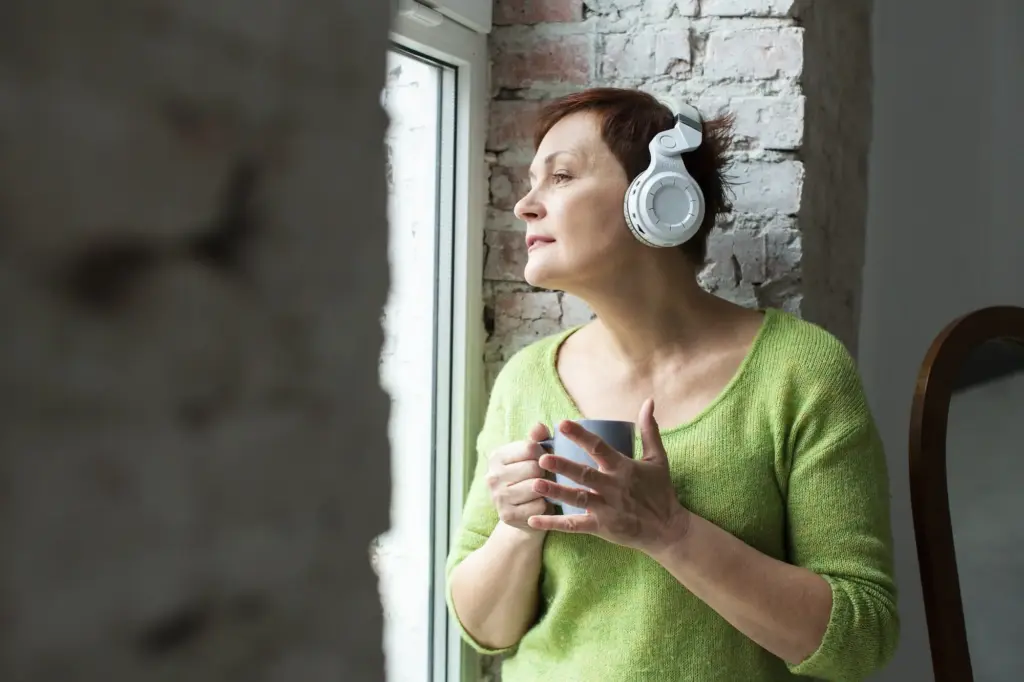

Nature, Noise, and Beats Compared
Workspace Acoustics and Gear

Rituals That Anchor Busy Workdays
Pomodoro with Sonic Bookends
Microbreaks with Breath and Tones
Make It Personal and Sustainable
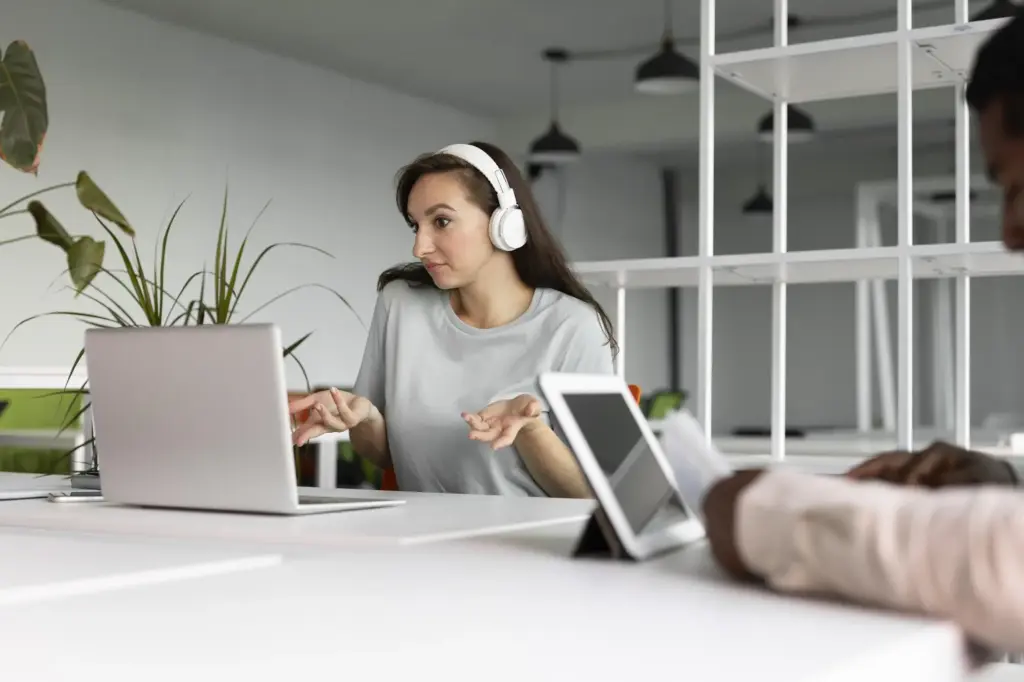
Assess Your Sensory Profile Kindly
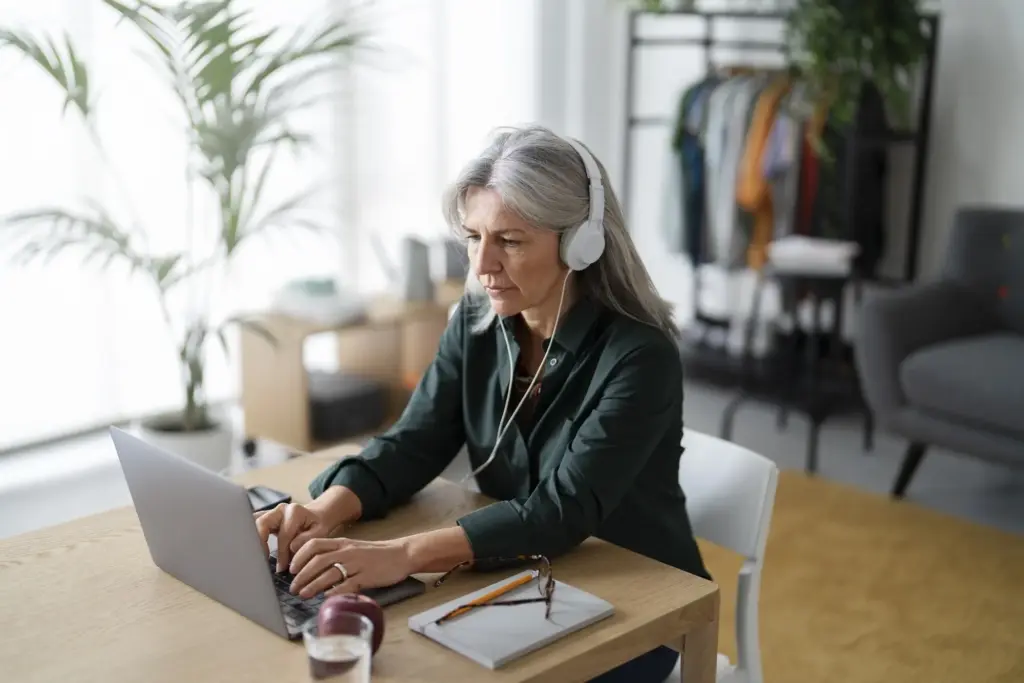
Playlists That Evolve With Your Work

All Rights Reserved.